






- 目次
-
Harnessing the power of hydrogenation to support industry through intermediates
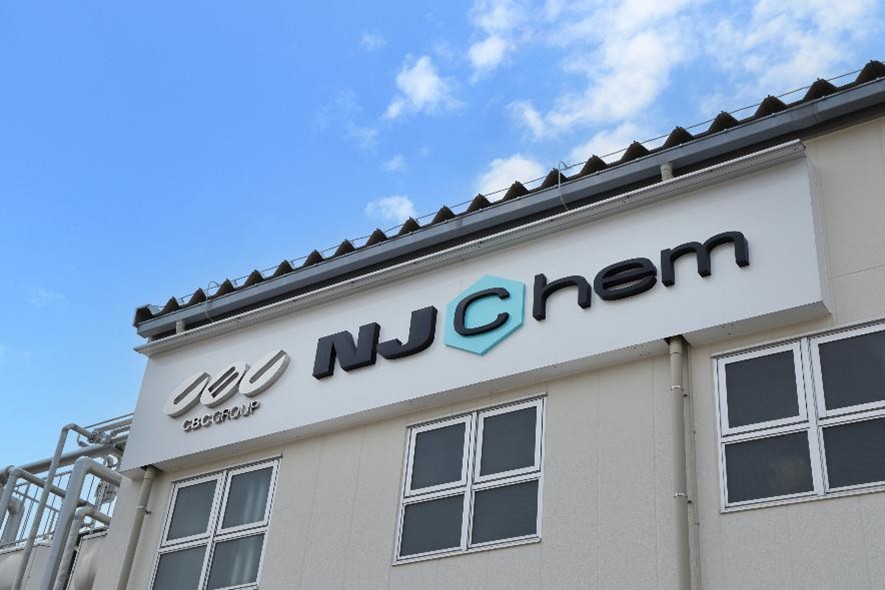
NJChem is a chemical manufacturer that specializes in organic synthesis, with a focus on hydrogenation reaction technology.
Hydrogenation is a type of reduction reaction where hydrogen is added to raw materials in the presence of a metal catalyst, thereby altering the properties of those materials. This is also known as a “hydrogen reduction reaction.” At NJChem, this hydrogenation process is the core technology used to produce various intermediates utilized across a range of industries.
Intermediates are the materials of materials: That is, substances used during manufacturing before being released as the final product. NJChem’s intermediates are used in a wide array of end products, including pharmaceuticals, cosmetics, and agrochemicals. However, intermediates typically do not appear in the final products. That is why, as the company representative explained, “It’s often very difficult to describe where our products are being used.”
One relatively easy-to-understand example is a compound called an amine, one of the intermediates NJChem produces through hydrogenation. Amines are used as raw materials for producing polyimide, a synthetic resin.
Polyimide is a plastic known for its excellent heat resistance, insulation properties, and impact strength. Its ability to withstand high temperatures that other resins cannot makes it ideal for a wide range of applications, such as electronic circuit boards in computers, semiconductor manufacturing equipment, and protective insulation films. As managing the heat generated by electronic devices becomes increasingly critical, the demand for such high-performance plastics has been rising sharply in recent years.
The team at NJChem first consults with customers to understand how they intend to use the materials and then supplies intermediates in the format best suited to those applications. Among the various formats they offer, powder is the most common. They may also provide intermediates in liquid or solid states, depending on how the product will be used.
From electronic materials to pharmaceuticals and agrochemicals, NJChem is a company that provides the materials of materials supporting the core of manufacturing operations, and they continue to deliver high-quality intermediates that form the basis of a diverse array of products.
Adaptability built on postwar expertise and consistent quality
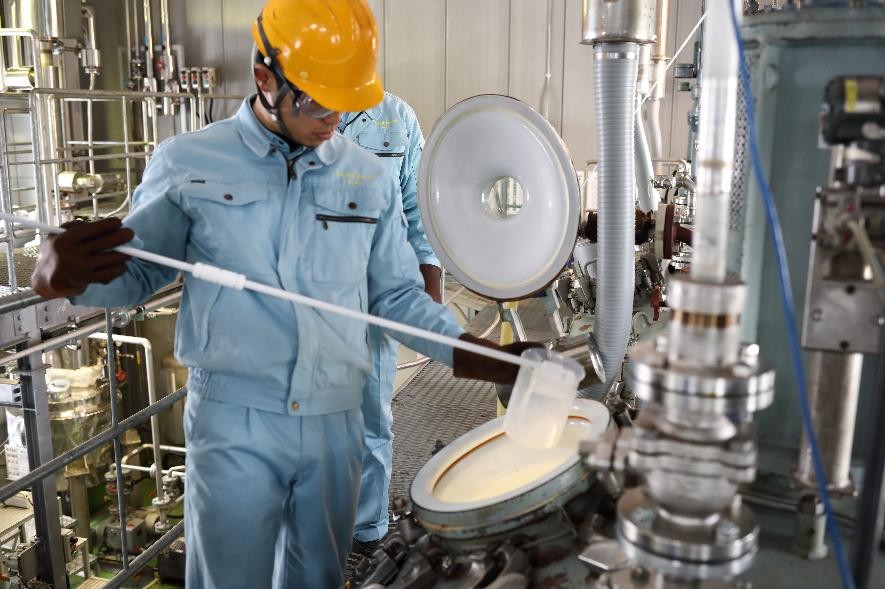 When asked about the strengths of NJChem, its representative said, “Stable quality, technological expertise in low-pressure hydrogenation, and above all, the ability to meet demanding quality requirements.”
Hydrogenation reactions are broadly classified into two types based on the pressure applied when adding hydrogen gas to raw materials: high-pressure hydrogenation and low-pressure hydrogenation. High-pressure hydrogenation operates under pressures ranging from several atmospheres to hundreds of atmospheres. While this method offers the advantage of faster reaction rates, it requires extensive equipment, resulting in significant investment costs.
In addition, with high-pressure hydrogenation, the safety hazards associated with handling hydrogen gas under elevated pressure cannot be overlooked. Hydrogen gas is extremely flammable and legally classified as a hazardous substance requiring special qualifications for handling. Managing this kind of gas under high pressure directly increases the risk of accidents at the production site.
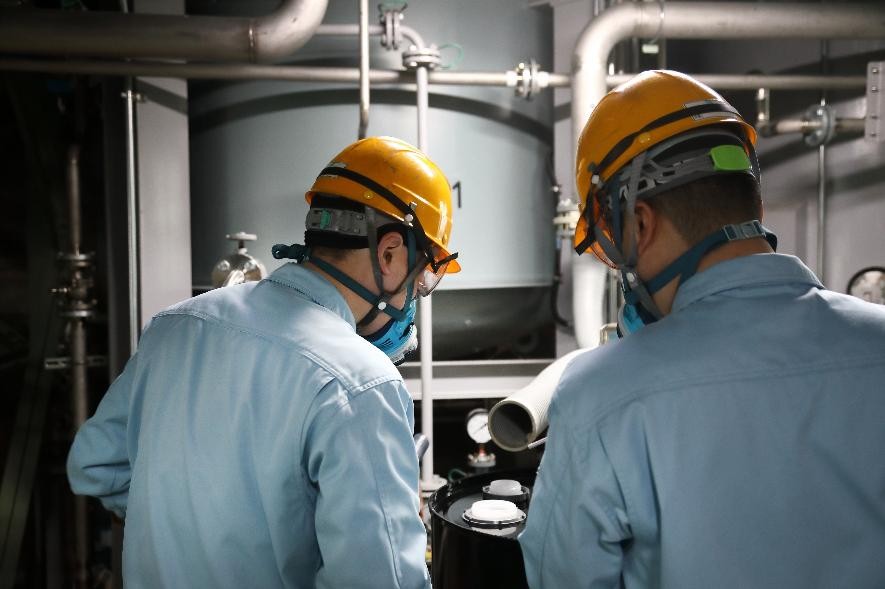
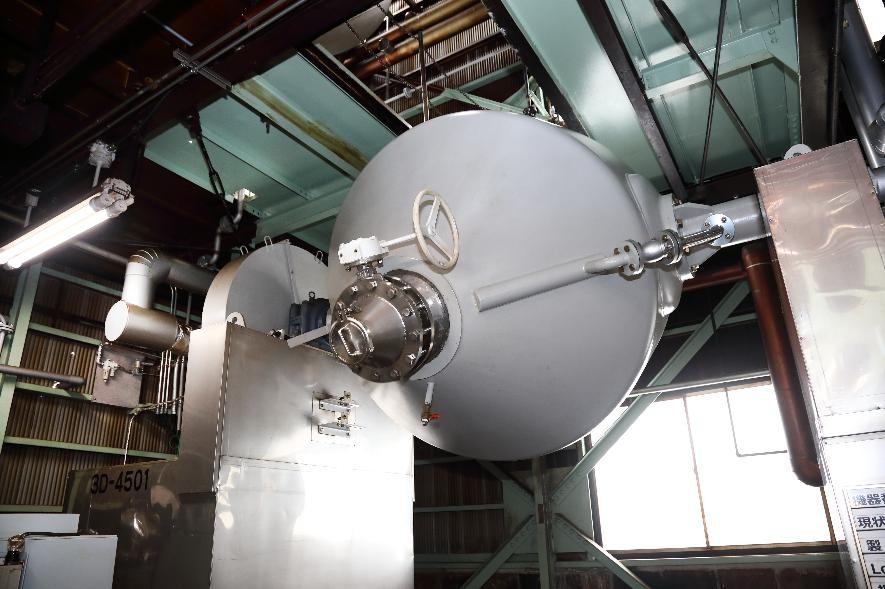 On the contrary, low-pressure hydrogenation, in which NJChem specializes, involves carrying out reduction reactions under relatively low pressures of 1 MPa or less. Because the reactions can proceed even at lower energy levels, this method not only enables the use of more compact equipment than with high-pressure hydrogenation, but it also helps reduce environmental impact, a significant advantage. It also involves lower safety risks than high-pressure methods.
Another key strength of NJChem lies in its ability to flexibly optimize manufacturing conditions for the required purity levels and specifications of each intermediate. The company has developed a wide range of proprietary technologies, such as stabilizing quality through selective use of catalysts depending on the final application and reducing costs through catalyst recycling. It is committed to optimizing the entire process, tailoring it to the specific characteristics of each intermediate and its intended purpose.
These strengths that NJChem offers are the result of decades of accumulated expertise, built over a long history dating back to the period after World War II.
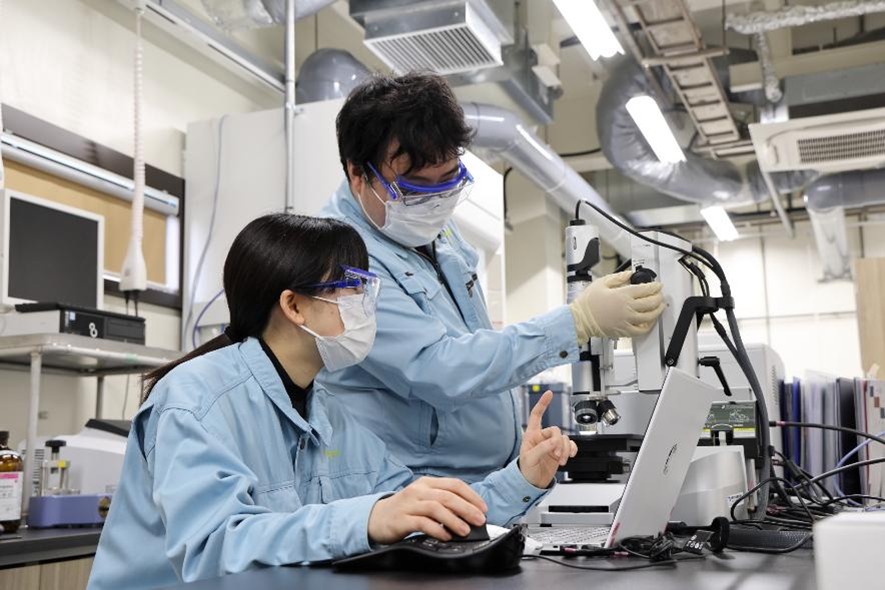 With intermediates, different manufacturing methods and control systems may be required depending on the application and intended use. Materials used in pharmaceuticals, for instance, must comply with a strict set of standards known as Good Manufacturing Practices (GMP). Other industries similarly require advanced quality control systems tailored to their specific requirements.
NJChem began taking on hydrogenation reactions in the postwar period, initially focusing on pharmaceuticals, dyes, and pigments and then expanding into electronic materials in line with the changing times. Through this evolution, the company has accumulated extensive expertise in hydrogenation across a wide range of fields, enabling it to build optimal manufacturing and quality control systems when developing new products by drawing on insights from past experience.
The company’s ability to meet the varying quality and production management requirements of each individual client is a reflection of its legacy of expertise. “You probably won’t find another company that has built up this much know-how from working across so many industries and applications,” said the representative with conviction. It is this knowledge accumulated through hands-on experience steadily built up since the postwar period that underpins the technical foundation of NJChem today.
Paving the way for a second core business: Advancing into electronic materials
Thus far, NJChem has primarily focused on products utilizing hydrogenation reactions. In recent years, however, the company has also been expanding into areas that do not rely on hydrogenation. Electronic materials, led by the growing demand for semiconductors, represent one such field.
In the semiconductor manufacturing process, a resin material called photoresist is used to transfer circuit patterns onto silicon wafers. NJChem produces one of the raw materials that comprise this photoresist.
Photoresists used in semiconductors are highly sensitive to impurities, which can impact both quality and performance. For this reason, it is essential to minimize residual metals (trace amounts of metal unintentionally left behind during processing) to the greatest extent possible, even at the raw material stage. The removal of these metals requires advanced and precise technologies, and this is where NJChem applies its unique expertise. Thanks to this, the company’s products are highly regarded as raw materials with exceptional purity and consistent quality.
Japanese companies hold approximately 90% of the global market share for photoresist. This success is made possible by the high precision and reliability of the raw materials used, including polymers and photosensitive materials. The raw materials provided by NJChem are essential components in domestic photoresist manufacturing and are expected to play a key role in supporting the future growth of Japan’s semiconductor industry.
To better meet the market’s growing demands, the company is now preparing to further expand its electronic materials business.
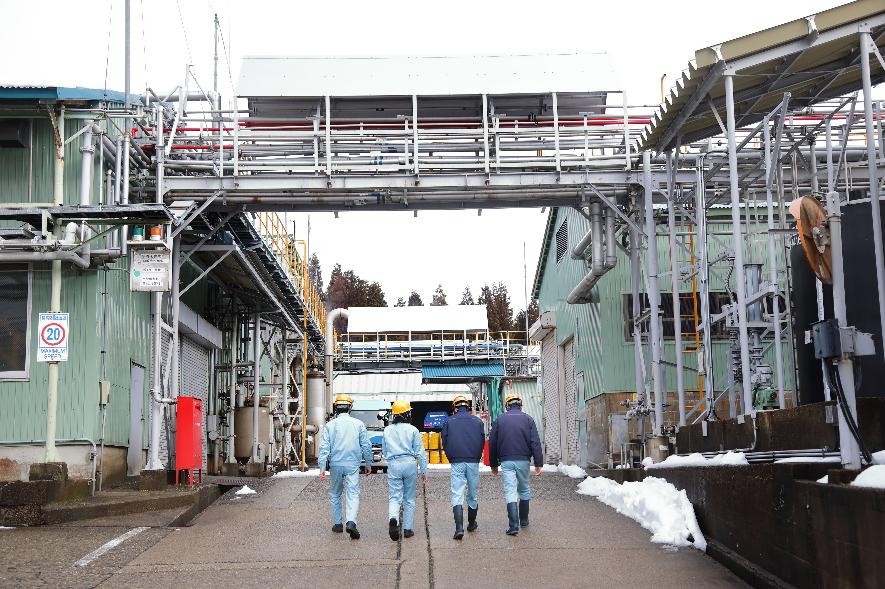
Among the company’s three locations, expansion projects are currently underway for facilities at the Fukui Plant. Looking ahead, NJChem plans to establish a larger-scale production system. The representative expressed optimism about this new growth area: “Until now, we’ve built our business on hydrogenation technology alone. It’s time for us to establish a second core business, and we hope electronic materials will take on that role.”
Pursuing the “Next NJChem” through business transformation and work environment improvements
In August 2023, NJChem became a member of the CBC Group. CBC was aiming to establish its own manufacturing capabilities in the field of electronic materials, while NJChem was looking to further develop that sector as a new core business. With both companies aligned in their goals, NJChem’s integration into the CBC Group became a reality.
When asked what has changed since NJChem’s integration into the CBC Group, its representative stated, “We are now able to plan larger-scale investments with a longer-term perspective.” Currently, the company is expanding its production facilities, particularly in the area of electronic materials, and its primary goal is to “foster a new growth engine within the company” through upfront investments.
Another crucial focus area for growth is creating a more supportive working environment for employees.
In the past, the hydrogenation business involved handling hazardous and heavy materials, which placed significant physical demands on workers. As a result, most of the company’s technical staff were men. Moving forward, NJChem is undertaking a major transformation of its factory environment, aiming to create a workplace where everyone, regardless of gender, can work safely and comfortably.
Through new business ventures, the company is evolving into a more sustainable and growth-oriented organization. Building on the foundation of trust earned as “NJChem, the hydrogenation company,” the journey to redefine the company has only just begun.
By leveraging the expertise gained through hydrogenation, the company is stepping into its next stage: the electronic materials field. In doing so, it is poised to make an even stronger impact within the CBC Group.
Text by: Ai Sugimoto/Interview and editing by: Nooto Ito